
Not all scoliosis is the same. While most people think of it as a simple curve in the spine, there are actually several different types—each with its own cause, pattern, and potential impact on daily life. Understanding these differences can help patients make more informed decisions about their care.
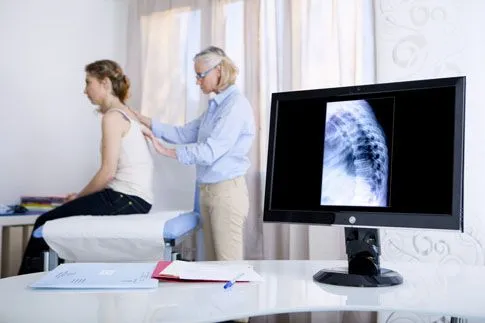
At Cianci Chiropractic in Lansdale, PA, Dr. Christopher G. Cianci helps patients identify the type of scoliosis they’re dealing with and what it may mean for treatment and long-term health.
Idiopathic Scoliosis: The Most Common Type
Idiopathic scoliosis accounts for about 80% of all cases, and the exact cause remains unknown. It usually appears during adolescence, when the spine is growing quickly. This form often runs in families and is typically discovered during routine checkups or school screenings.
Though it may seem minor at first, idiopathic scoliosis can progress with growth. Regular monitoring and early scoliosis treatment from a trusted chiropractor near you can help reduce the risk of more serious spinal changes later on.
Congenital Scoliosis: Present From Birth
Congenital scoliosis develops before birth due to spinal abnormalities that form in the womb. These curves are usually identified earlier in life and may be more complex. In some cases, additional health concerns are present, such as kidney or heart issues, which makes personalized care essential.
Chiropractic support for congenital scoliosis focuses on improving posture, reducing discomfort, and working alongside other medical specialists when needed.
Neuromuscular Scoliosis: Tied to Underlying Conditions
This type of scoliosis is linked to conditions like cerebral palsy, muscular dystrophy, or spinal cord injuries. It typically develops as muscle tone and control change over time, leading to uneven spinal support.
While the curve itself may not always be painful, it can cause secondary issues like balance problems or difficulty breathing. Dr. Cianci works closely with families to manage the physical strain neuromuscular scoliosis can create, using gentle, noninvasive techniques to support overall function.
Degenerative (Adult-Onset) Scoliosis
Unlike the forms that begin in childhood, degenerative scoliosis usually appears later in life. It develops due to wear-and-tear on the spine, often alongside conditions like arthritis or disc degeneration. Adults with this type often report lower back pain, stiffness, or changes in posture.
If you’re experiencing these symptoms, seeking scoliosis treatment in Lansdale, PA can help identify whether this condition is a factor. Cianci Chiropractic offers thorough evaluations and personalized plans to ease discomfort and improve mobility.
Finding the Right Path Forward
Every spine tells a different story. Whether scoliosis began in childhood or appeared later in life, the right chiropractic care can support better posture, less pain, and improved confidence in everyday movement.
To learn more or schedule an evaluation, call Cianci Chiropractic at (215) 631-1595. Discover how personalized care can make a lasting difference—right here in Lansdale, PA.